
https://www.niu.edu/index.shtml
Angela J. Grippo's Laboratory
Department of Psychology, Northern Illinois University
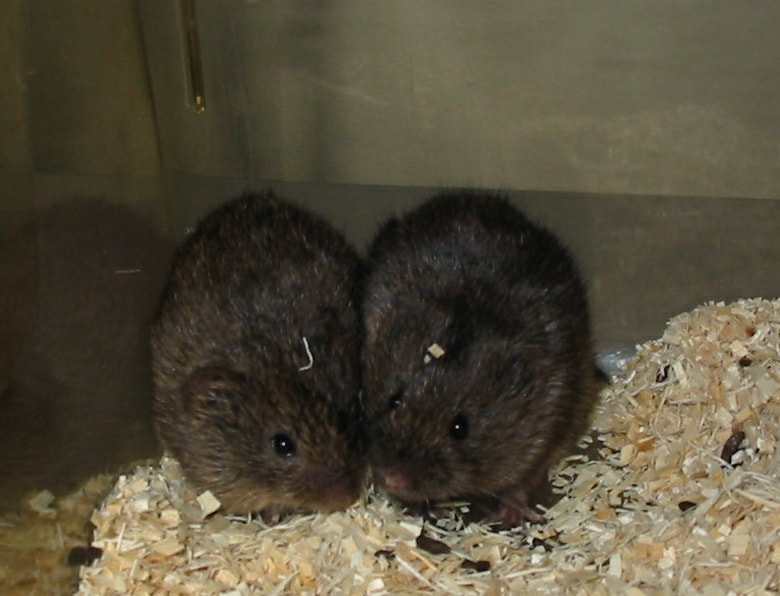
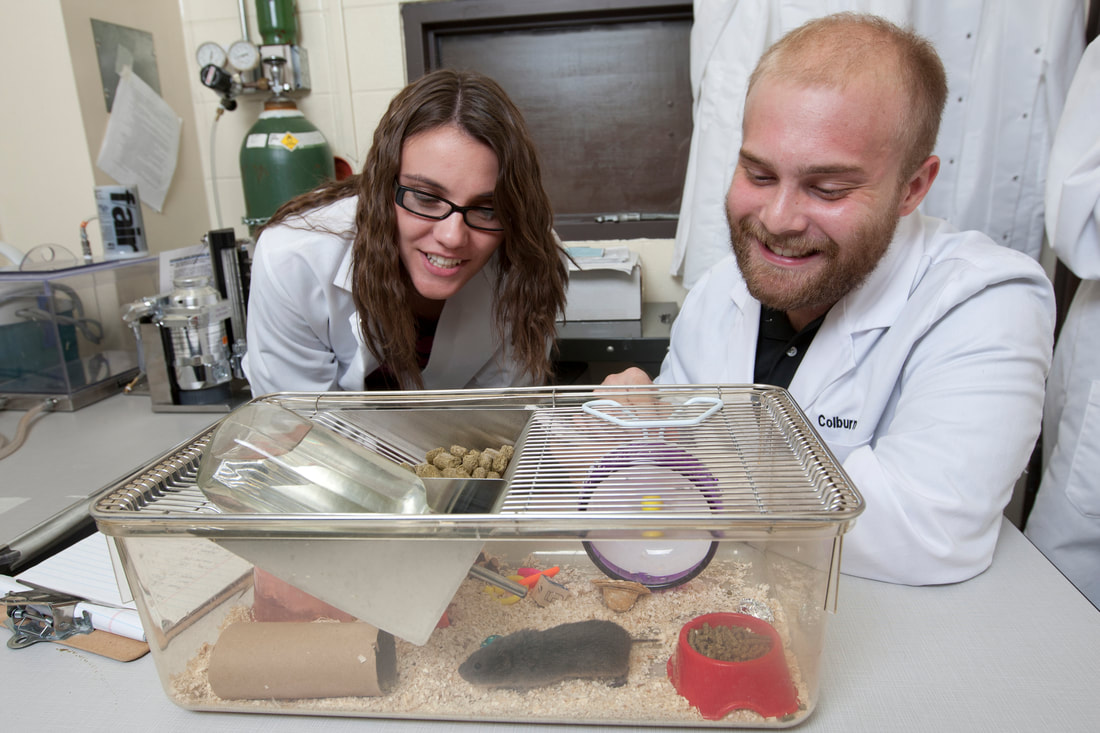
Our research in the Grippo Lab is focused on the interactions of stress, emotion, and neurobiological functioning. Our primary research model is the prairie vole, which is an interesting rodent species that engages in social behaviors similar to humans, including living in family groups, raising offspring together, forming lasting social bonds, and responding negatively to changes in their social environment.

Contact the Grippo Lab |
Find us on Facebook |
About our Lab
The research methods that we use include:
- The study of behavior
- Changes in the social environment
- Stress responses
- Analysis of the autonomic nervous system and cardiovascular system
- Analysis of the immune and endocrine systems
- The study of brain regions, neurotransmitters, and neurohormones
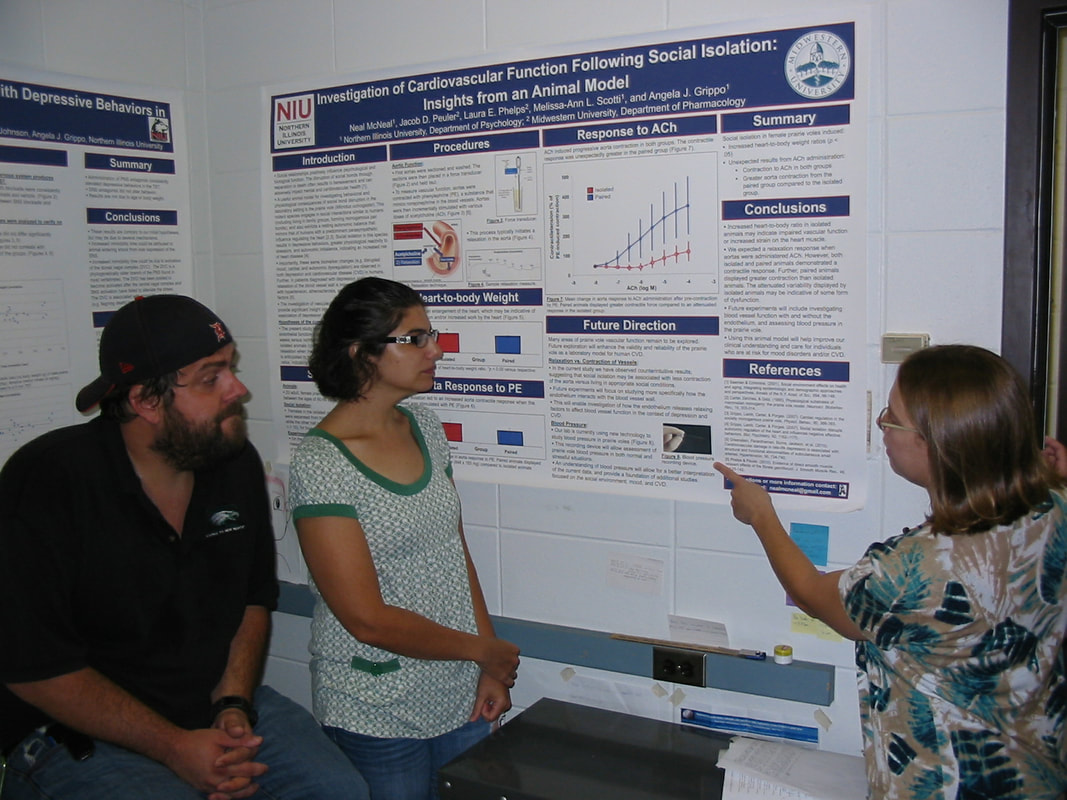
You can find a list of articles by clicking the Publications link above. The members of the Grippo laboratory include graduate students working toward MA and PhD degrees in psychology with a specific focus on neuroscience and behavior; as well as several undergraduate research assistants working towards degrees in psychology, sociology, education, biology, and chemistry.
Lab News
Updated May, 2024
Spring Conferences
|
|
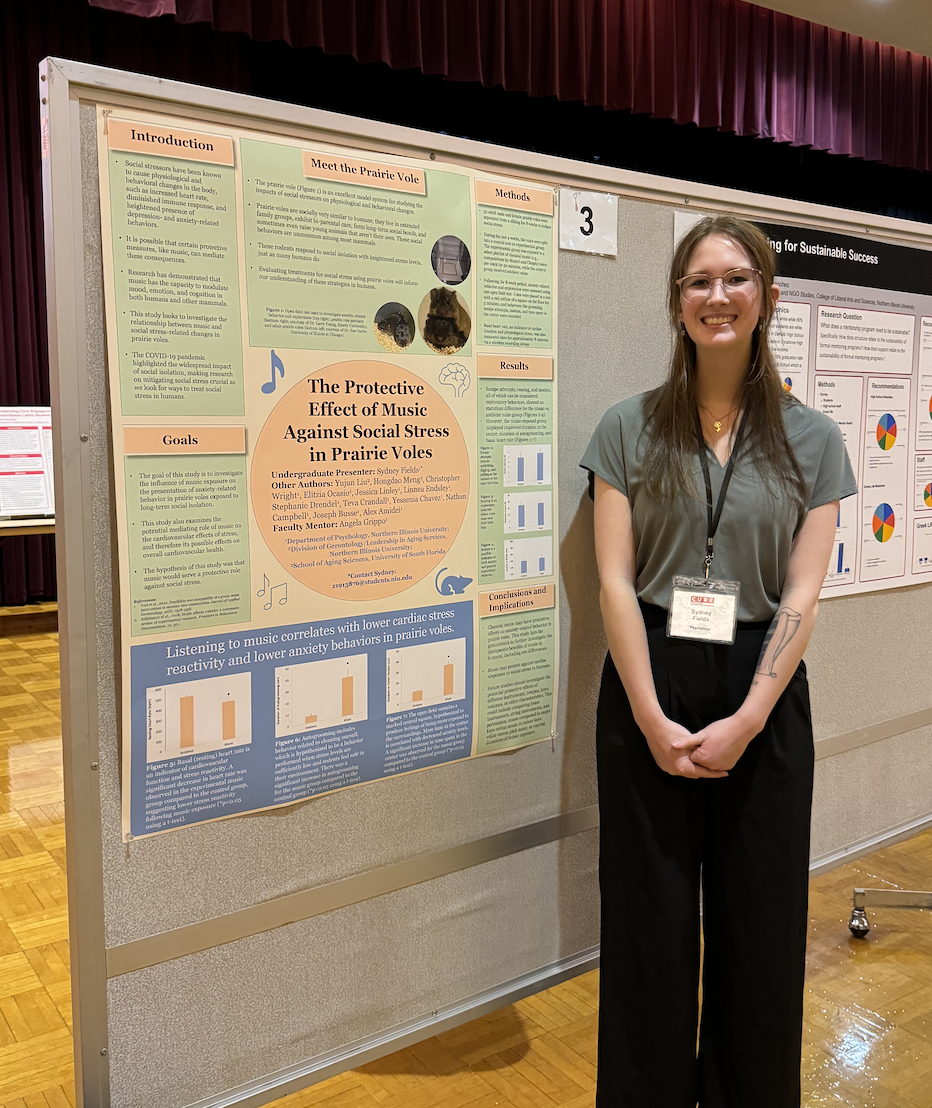
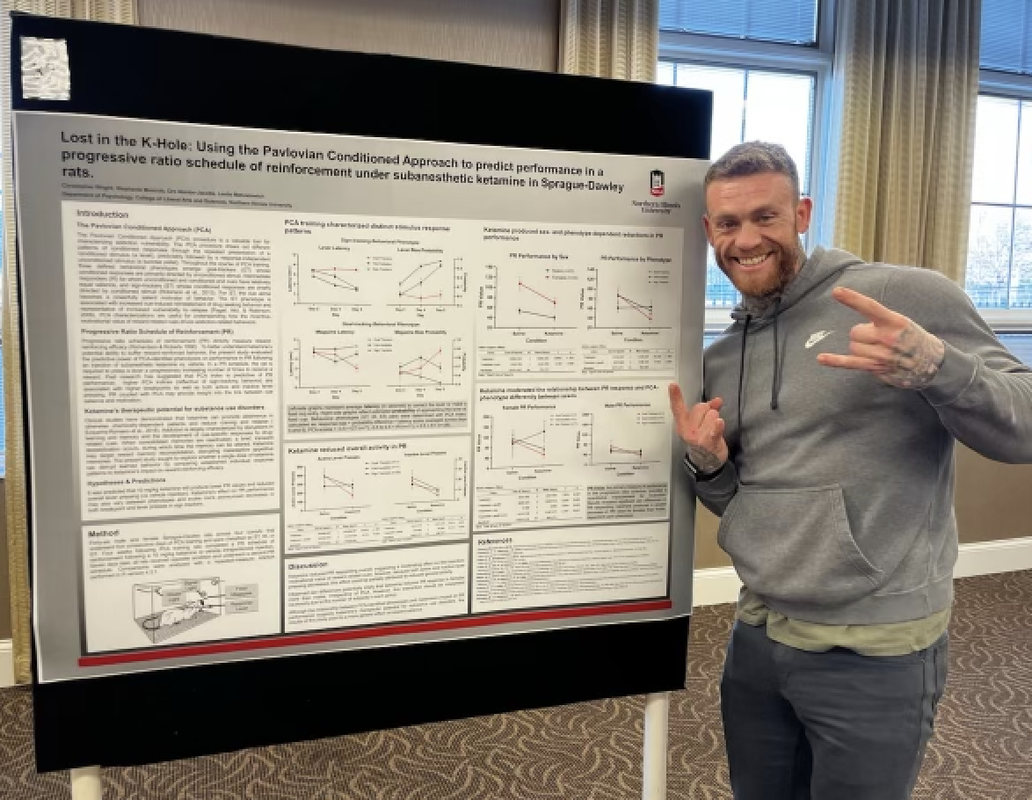
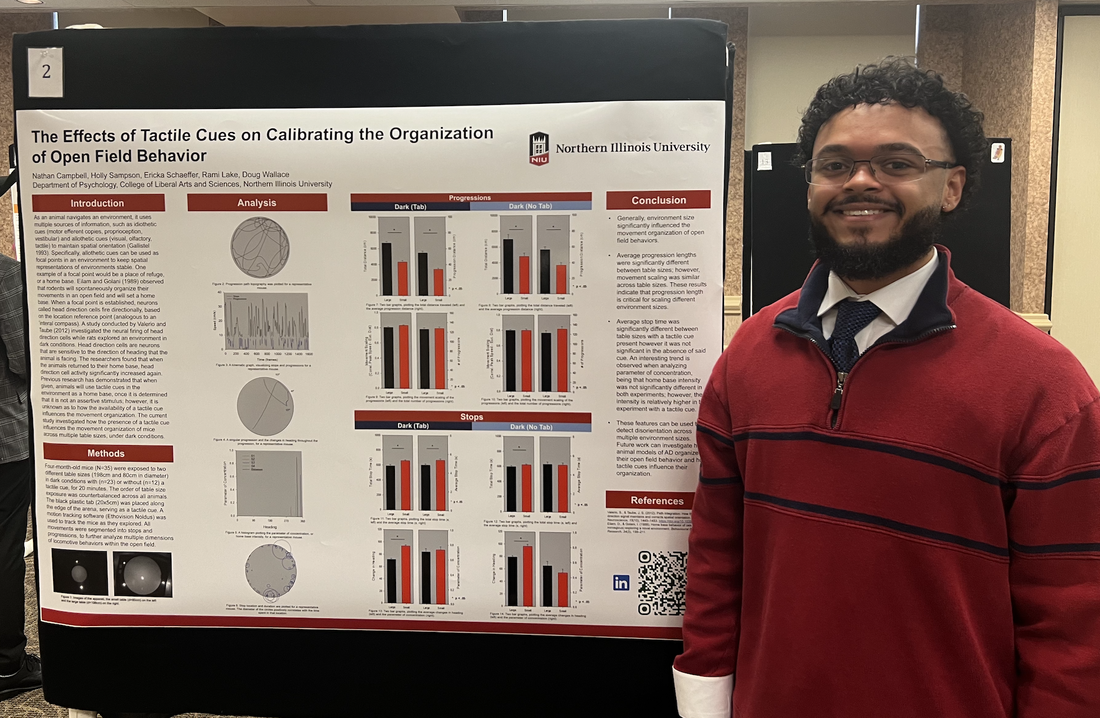
May 2024: Congratulations to several students who attended conferences this spring to present research from our lab and our collaborative projects. Yessie, Chris, and Nathan attended the Animal Behavior Conference in Bloomington, IN in March. Yessie and Nathan attended the Midwestern Psychological Association Conference in Chicago in April. Finally, Sydney attended the NIU Conference on Undergraduate Research and Engagement in April. We are proud of everyone's hard work and effort!
|
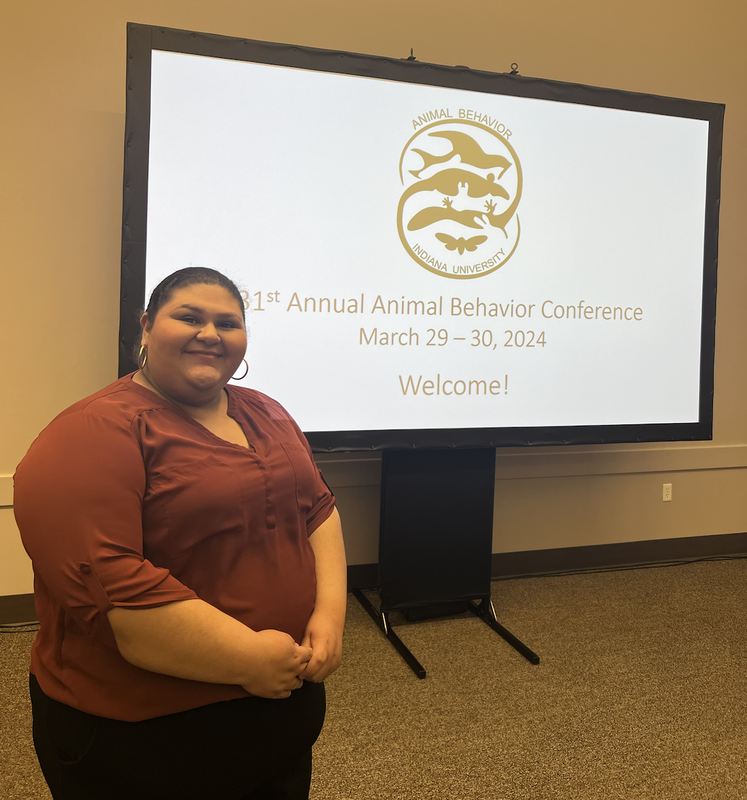
Congratulations to Yessie

February 2024: Congratulations to Yessie, who successfully defended her MA thesis last week. Her thesis research focused on the interactions of chronic social stress and acute environmental stress, as well as the potential for environmental enrichment to protect against anxiety-related behaviors in prairie voles exposed to stress. We are so proud of you, Yessie!
Psychology Undergraduate Research Conference
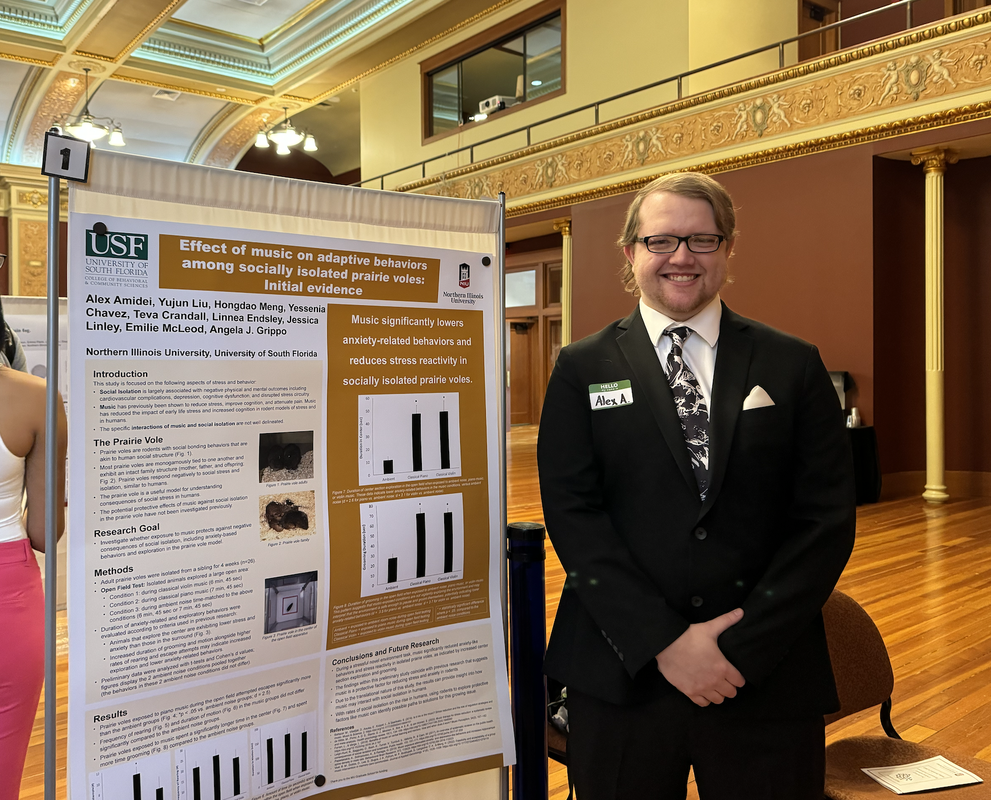
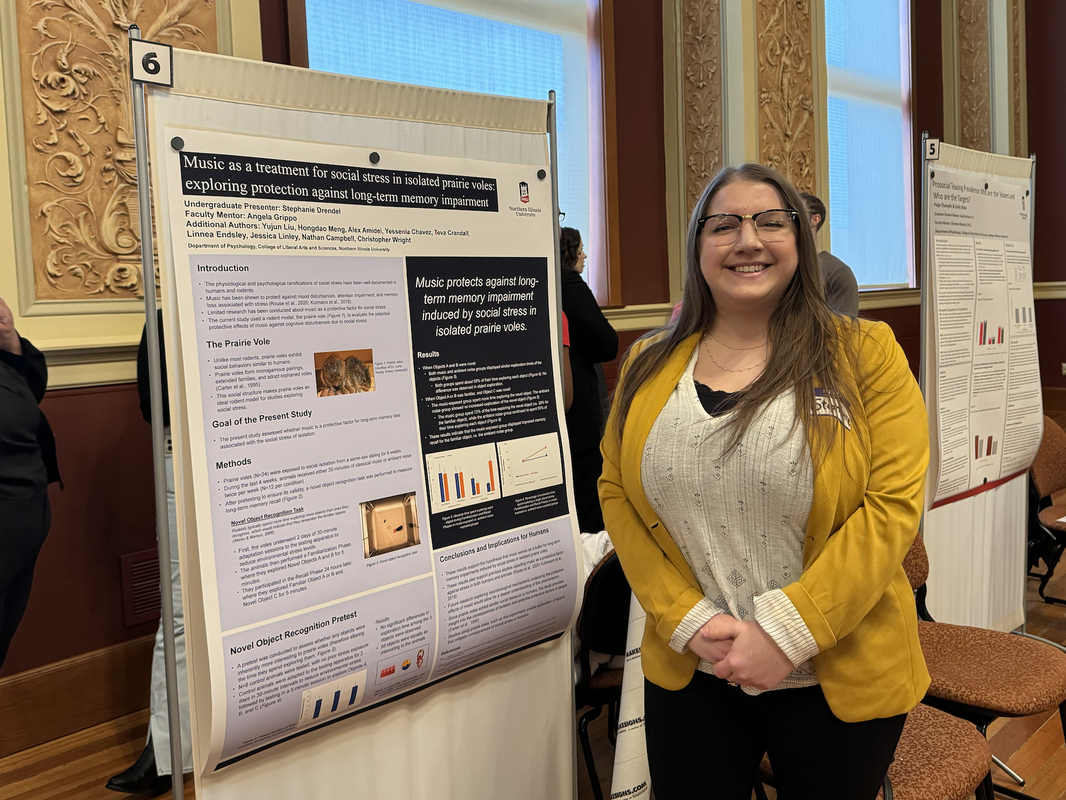
December 2023: Congratulations to Alex and Stephanie, who gave great poster presentations at the Psychology Undergraduate Research Conference! Both students presented some preliminary data from our new music treatment study, investigating the benefits of classical music on emotions and cognition in socially isolated prairie voles. We are proud of both of them, and a shoutout to Alex for winning first place in the poster competition!

Science Blog
Updated April, 2024
Are We Speaking the Same Language? Exploring Communication with Chat GPT and Searle's Chinese Room
By Mercedes Hernandez, Psyc 300 Honors Student
 https://phspagesbypage.com/student-life/2023/11/20/how-ai-can-help-not-destroy-education/
Is symbol manipulation manipulation enough to express comprehension and the ability to meaningfully produce a language? This disparity is pointed out in a famous thought experiment entitled “The Chinese Room”. An individual who does not understand Chinese is put into a room by themselves. This person is then given a set of rules that allow them to manipulate the Chinese symbols to produce a response. If handed a letter in Chinese, the individual in the room would be able to respond perfectly to it in Chinese, without actually comprehending the contents. Therefore, anyone outside the room would believe that the person inside understands Chinese. Chat GPT seems to operate in a similar manner to “The Chinese Room”. As users, we give the AI inputs in the same way the letters are sent into the room. When Chat GPT answers us, it also appears to be able to understand the prompt. However, Chat GPT, just like the individual in the room, is only able to manipulate symbols without any genuine understanding of the contents produced.
Chat GPT seems to be speaking and thinking like we do, but the application and human brain have different processes. Although, the responses from an AI model may resemble human thought, it does not possess the ability to truly comprehend language. As of right now, AI is only capable of mimicking and cannot create anything on its own. The human brain and programs like Chat GPT both rely on inputs and outputs to process data from the outside world, but what differentiates the two is the ability to create meaning. The conversations with AI that are available today more so resemble Searle's “Chinese Room”, than an actual conversation. We are not speaking the same language with AI, but in the future this may change.
Learn more about AI technology:
Lycan, W. G., & Prinz, J. J. (2008). Chapter 15: Can Computers Think? In Mind and cognition: An anthology (3rd ed.). Wiley-Blackwell.
Chat GPT seems to be speaking and thinking like we do, but the application and human brain have different processes. Although, the responses from an AI model may resemble human thought, it does not possess the ability to truly comprehend language. As of right now, AI is only capable of mimicking and cannot create anything on its own. The human brain and programs like Chat GPT both rely on inputs and outputs to process data from the outside world, but what differentiates the two is the ability to create meaning. The conversations with AI that are available today more so resemble Searle's “Chinese Room”, than an actual conversation. We are not speaking the same language with AI, but in the future this may change.
Learn more about AI technology:
Lycan, W. G., & Prinz, J. J. (2008). Chapter 15: Can Computers Think? In Mind and cognition: An anthology (3rd ed.). Wiley-Blackwell.
Stress Resilience
By Mercedes Hernandez, Psyc 300 Honors Student
 https://www.health.harvard.edu/mind-and-mood/protect-your-brain-from-stress
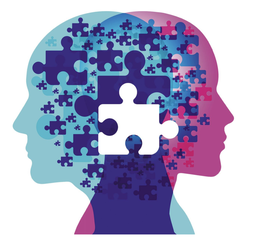
Resilience refers to the ability of an individual’s brain to recover from a stressor or emotional trauma. Someone with high resilience would be able to bounce back from adversity and maintain a healthy well-being after the stressor occurs. In the brain anything that diminishes the stress response aids in this emotional resilience. DHEA and NPY are both chemicals that might enhance emotional resiliency. Different coping styles and responses to stress can be seen in humans and other animals.
It might be possible to increase emotional resilience with cognitive reappraisal and emotional regulation. Having perceived control over an emotional response can help lessen the impact of the stressor and give the person a sense of control. Reappraising a situation is one way that could help someone gain this control. For example, let’s say someone upset their significant other. If the person believed they had no control over this situation the impact of stress would harm their well-being and possibly their relationship more than someone who had perceived control. A situation with a feeling of no control could translate into the brain as “I upset my significant other, now they hate me, and want to break up!” Considering the same situation and taking time to reappraise it could translate into the brain as “I upset my significant other, but they do not hate me, and communicating our feelings will help resolve the situation!” Research suggests that reappraisal can decrease the impact of stress on the body and mind, and possibly over time improve perceived emotional control to other stressors. Overall, it is possible that reappraising situations in everyday life and adjusting our emotional responses to the stress can lead to better outcomes for the body and self.
Learn more about coping with stress:
Brain and Behavior Research Foundation
CDC
APA
It might be possible to increase emotional resilience with cognitive reappraisal and emotional regulation. Having perceived control over an emotional response can help lessen the impact of the stressor and give the person a sense of control. Reappraising a situation is one way that could help someone gain this control. For example, let’s say someone upset their significant other. If the person believed they had no control over this situation the impact of stress would harm their well-being and possibly their relationship more than someone who had perceived control. A situation with a feeling of no control could translate into the brain as “I upset my significant other, now they hate me, and want to break up!” Considering the same situation and taking time to reappraise it could translate into the brain as “I upset my significant other, but they do not hate me, and communicating our feelings will help resolve the situation!” Research suggests that reappraisal can decrease the impact of stress on the body and mind, and possibly over time improve perceived emotional control to other stressors. Overall, it is possible that reappraising situations in everyday life and adjusting our emotional responses to the stress can lead to better outcomes for the body and self.
Learn more about coping with stress:
Brain and Behavior Research Foundation
CDC
APA
Vitamin D: Get it How You Can
By Jessica Linley
 terrabellaseniorliving.com
Vitamin D is a nutrient and a hormone that’s essential for life, like many others. We can produce vitamin D after exposure to the sun or from what we eat. Studies have suggested that vitamin D may protect our bodies from infection and major diseases including dementia, cancer, diabetes, and cardiovascular diseases. One trial study from the American College of Physicians suggested that vitamin D supplements may lower the risk of diabetes for more than 10 million pre-diabetic adults, showing a 15% reduction in risk of diabetes in pre-diabetic adults who took the supplements over 3 years. Along with protecting against diabetes, previous research has observed link between vitamin D and reduced cancer risk in cases of breast cancer, prostate cancer, colon cancer, and ovarian cancer. Vitamin D did not prove as a complete preventative measure for cancer, but there was a 25% lower death rate of patients with cancer who were taking vitamin D supplements. Other research has suggested that vitamin D may improve neurodegenerative disease, relive symptoms of autoimmune disorders, help with seasonal depression, and protect against cardiovascular diseases, however additional research will be necessary to determine whether vitamin D serves a useful preventative role for these conditions.
Vitamin D will not fix all health problems and research is needed to prove that it is a preventative measure. However, vitamin D is a nutrient that is essential for a healthy life. To ensure you have healthy levels of vitamin D, make sure you are spending a healthy amount of time in the sun, gaining calcium through food, or taking supplements when needed. Natural sources are the most recommended way of getting our daily nutrients, but sometimes it is best to just get it how you can.
Learn more about vitamin D:
https://www.everydayhealth.com/vitamin-d/vitamin-d-health-benefits-what-it-can-cant-your-body/
https://medicalxpress.com/news/2023-02-vitamin-d-supplementation-diabetes-million.html
https://www.cuimc.columbia.edu/news/whats-deal-vitamin-d
Vitamin D will not fix all health problems and research is needed to prove that it is a preventative measure. However, vitamin D is a nutrient that is essential for a healthy life. To ensure you have healthy levels of vitamin D, make sure you are spending a healthy amount of time in the sun, gaining calcium through food, or taking supplements when needed. Natural sources are the most recommended way of getting our daily nutrients, but sometimes it is best to just get it how you can.
Learn more about vitamin D:
https://www.everydayhealth.com/vitamin-d/vitamin-d-health-benefits-what-it-can-cant-your-body/
https://medicalxpress.com/news/2023-02-vitamin-d-supplementation-diabetes-million.html
https://www.cuimc.columbia.edu/news/whats-deal-vitamin-d
Music and Memory
By Jessica Linley
 shutterstock.com
In 2022 an estimated 6.5 million people over the age of 65 were living with Alzheimer’s Disease (AD) in America. AD is a progressive disease that begins with slight memory loss and continues with the progressive degeneration of memory and thinking areas of the brain. Although there is no cure for this disease, there are ways to improve the quality of life in patients with AD. Many studies in the last few decades have shown that AD patients have preserved memory for music. Researchers have found that music helps reduce agitation and behavioral issues that are most common in AD patients. Music affects people emotionally, which is why playing it for these patients affects several regions of the brain including the visual network, the executive network (reasoning and problem-solving) the salience network (attention), and the cerebellar and corticocerebellar pairs (working memory and visual attention). If you know someone with AD and would like to explore whether music will help them, make playlists of music that they would have listened to between the ages of 10 and 30. This period would be the most memorable to them. Nonprofit organizations such as Music & Memory help families and caregivers do this, which has led to a reduced need for extra medication and improvements in behavior for people with AD.
Learn more about music and memory:
How Music Affects Memory in Those with Dementia (brainandlife.org)
Memory for Music in Alzheimer’s Disease: Unforgettable?
Alzheimer’s Association
Learn more about music and memory:
How Music Affects Memory in Those with Dementia (brainandlife.org)
Memory for Music in Alzheimer’s Disease: Unforgettable?
Alzheimer’s Association
Important Stress Hormones in the Brain and Body
By Yessie Chavez
 https://www.pinterest.com/pin/
250090585537480148/
https://www.pinterest.com/pin/
250090585537480148/
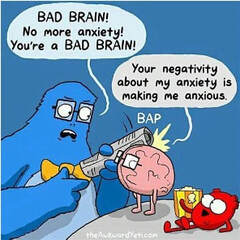
Stressful situations or environments can cause us to feel a loss of control and elevated biological reactions. We have several hormones in the body that play important roles in our experience of stress. All these hormones are necessary for everyday life; however, excessive amounts can cause negative effects on our emotions, brain, and physical health. The following is a list of some hormones that are regulated both in the brain and in the adrenal glands (which sit on top of the kidneys), and are involved in the “fight-or-flight” response. Stress hormones are meant to prepare the individual to deal with life-threatening stimuli, however, we might experience an elevation of these hormones during many different stressful events.
Cortisol
Excessive secretion of these hormones can lead to anxiety, depression, and other health consequences of chronic stress. The link below has further information about the influence of the different stress systems, gender differences, and tips to manage stress.
Learn more about stress and health:
https://www.apa.org/topics/stress/body
Cortisol
- This hormone can transport throughout the hypothalamic-pituitary-axis (HPA axis). It can also affect the prefrontal cortex which helps us regulate and control our emotions.
- Norepinephrine is not only a hormone but also a neurotransmitter. It is made in the brainstem area of the brain. As a neurotransmitter, it increases alertness, attention, and arousal in the brain.
- This hormone also referred to as adrenaline and is similar to norepinephrine. Epinephrine is released in the bloodstream during times of stress. In response to a stressor, the body releases extra epinephrine to help combat it. However, if epinephrine is secreted in higher amounts over long periods of time, it can contribute to health consequences of chronic stress.
Excessive secretion of these hormones can lead to anxiety, depression, and other health consequences of chronic stress. The link below has further information about the influence of the different stress systems, gender differences, and tips to manage stress.
Learn more about stress and health:
https://www.apa.org/topics/stress/body
The Benefits of Healthy Sleep
By: Linnea Endsley
 everydayhealth.com
New studies continue to discuss the importance of healthy sleep for our physical and mental health. Even just short-term sleep deprivation can cause changes in blood pressure, increased inflammation, decreased immune function, and significantly reduced attention and memory. Chronic lack of sleep is associated with a higher risk of quite a few conditions including heart disease, diabetes, obesity, and depression. A lot of these consequences make sense when you think about some functions of sleep like memory consolidation, tissue repair, protein synthesis, and immune regulation. An interesting new study out of UC-Berkley has found some compelling evidence that a lack of sleep is associated with decreased empathy and willingness to help others. One way the researchers investigated this was by gathering 24 healthy individuals and using an fMRI to look at brain activity after a regular 8 hours of sleep and then after an all-nighter. They observed that after a night without sleep, the brain areas associated with social cognition and inferring others emotional or mental states were less active on the fMRI indicating an impaired ability of the brain to respond in social interactions. The other study involved tracking 100 participants looking at quality and duration of sleep and then inquiring about their willingness to help others. While this type of study can include some response bias where the participant may not answer truthfully due to a desire to look better, the results still showed a significant decrease in the desire to help someone else after a poor night of sleep. A third component of the research involved studying a change in charitable donations when switching to daylight savings time, as this can result in a drop in sleep duration. The researchers discovered that even just a possible 1-hour loss of sleep was associated with a 10% decline in charitable donations, which was not found in other parts of the world that do not participate in daylight savings time changes. These findings are interesting because they suggest a greater social impact of sleep deprivation, in addition to it being being detrimental to the individual. With the advent of so much artificial light and technology interrupting our circadian rhythm, it would not be surprising if inconsistent sleep is an important, overlooked variable in the rise of depression, anxiety, and specifically social anxiety due to the diminished neurological ability to interpret social complexities.
Learn more about the effects of sleep deprivation on social behavior and health:
https://www.sciencedaily.com/releases/2022/08/220823143827.htm
https://healthysleep.med.harvard.edu/healthy/matters/consequences/sleep-and-disease-risk
https://healthysleep.med.harvard.edu/healthy/matters/benefits-of-sleep/why-do-we-sleep
Learn more about the effects of sleep deprivation on social behavior and health:
https://www.sciencedaily.com/releases/2022/08/220823143827.htm
https://healthysleep.med.harvard.edu/healthy/matters/consequences/sleep-and-disease-risk
https://healthysleep.med.harvard.edu/healthy/matters/benefits-of-sleep/why-do-we-sleep
To Supplement or Not to Supplement Omega-3 Fatty Acids?
By: Linnea Endsley
 https://www.edibleisland.ca/nutrition/omega3-brainhealth/
Omega-3 fatty acids have been studied for decades and there has been increasing evidence found that it is beneficial for brain health, longevity, inflammation, and heart health to name a few. The majority of Americans, and millions more worldwide, are not getting enough of this crucial nutrient. There are three major components of omega-3 which are eicosapentaenoic acid (EPA), docosahexaenoic acid (DHA), and alpha-linolenic acid (ALA). Your body cannot produce ALA by itself, so it is necessary to get it from an outside source, and the body also cannot convert enough EPA or DHA without outside sources to make a clinical difference. Unlike omega-6 which we received plenty of in our modern diets, it is much harder to get sufficient dietary omega-3 without supplementation, although you can naturally find omega-3 fatty acids in foods like fish, krill, algae, and nuts. Current research tends to focus on how influential deficient, suboptimal, or high levels of omega-3 can affect various markers of health. While current evidence suggests almost everyone can benefit from an increase of these fatty acids, pregnant women especially should be mindful of whether they are receiving enough. Studies have shown that a lack of enough omega-3 in the diet increases the risk and rate of preterm delivery, and the component DHA is critical for fetal brain development, as well as development of the retina in the third trimester. When it comes to protective effects, there’s also evidence suggesting that increased omega-3 can be protective against developing Alzheimer’s or delaying the onset of symptoms; one way is by improving effective transport of glucose into the brain. Some other observed effects from controlled trials showed decreased inflammation, reduce risk of heart disease, slowed telomere shortening, which is a critical biomarker for aging, and improved language fluency, memory, and visual-motor coordination in otherwise healthy adults. It also appears while being critical for fetal brain development, it is not too late to reap benefits from introducing omega-3 supplementation later in life. A study looking at healthy individuals ages 50-75 years assigned one group to take 2.2 grams of fish oil daily for 26 weeks and the other group taking a placebo. They did cognitive tests, brain imaging, and blood tests before and after the intervention, and found that the fish oil group had significant improvement in executive function and beneficial effects to the white and grey matter of the brain among other benefits. The American Heart Association notes that up to 3 grams of fish oil supplementation is considered safe and there is also an International Fish Oil Standard website which does independent testing on countless fish oil supplements to check the dosage, safety, and purity of them. While the current evidence is quite promising, further research should be conducted to learn more about the underlying mechanisms that facilitate many of the benefits seen by increased supplementation of this essential nutrient.
Learn more about omega-3 fatty acids:
https://www.heart.org/en/healthy-living/healthy-eating/eat-smart/fats/fish-and-omega-3-fatty-acids
https://academic.oup.com/cercor/article/24/11/3059/304487
https://faseb.onlinelibrary.wiley.com/doi/full/10.1096/fj.201801412R https://www.ncbi.nlm.nih.gov/pmc/articles/PMC2621042/
Learn more about omega-3 fatty acids:
https://www.heart.org/en/healthy-living/healthy-eating/eat-smart/fats/fish-and-omega-3-fatty-acids
https://academic.oup.com/cercor/article/24/11/3059/304487
https://faseb.onlinelibrary.wiley.com/doi/full/10.1096/fj.201801412R https://www.ncbi.nlm.nih.gov/pmc/articles/PMC2621042/
